Industries
Integrity tracking, matched to your industry
A pharmaceutical autoclave and a dairy drying tower are not inspected the same way. The auditor does not ask for the same evidence. The foundation stays the same: your existing reports, turned into a steerable asset-base condition.
One shared technical core
Three industries, different constraints. The mechanism underneath stays the same: your inspection reports are read, then linked to each piece of equipment and followed over time.
INSPECTION REPORTS
- Food & beverage
- Dairy
- Pharmaceutical
One shared core
ASSET CONDITION
| EQUIPMENT | STATUS |
|---|---|
| Process tank | Up to date |
| Heat exchanger | To schedule |
| CIP piping | Check due |
Traceable to the source report
Our industries
Three industries, one technical foundation.
We start from your actual reports. What changes from one industry to the next: the equipment families tracked, the applicable standards and the due dates to watch.
Food & beverage
Vessels, sterile tanks, heat exchangers and product-contact piping. Downtime is paid in lost batches. The IFS or BRCGS auditor asks for evidence equipment by equipment.
- Vessels and tanks
- Sterile tanks
- Heat exchangers
- Process piping
Dairy industry
A dense asset base, running continuously. It is inspected by many parties. Every inspection body delivers its own report format, which makes consolidated tracking a headache.
- Storage tanks
- Pasteurisers
- Drying towers
- CIP circuits
Pharmaceutical
Sensitive equipment under permanent supervision. GMP requires a traceability that scattered reports cannot reconstruct quickly.
- Autoclaves
- Aseptic vessels
- Sterile filters
- Pressure equipment
The common ground
What we find on every site.
Whatever the industry, the same four obstacles come back.
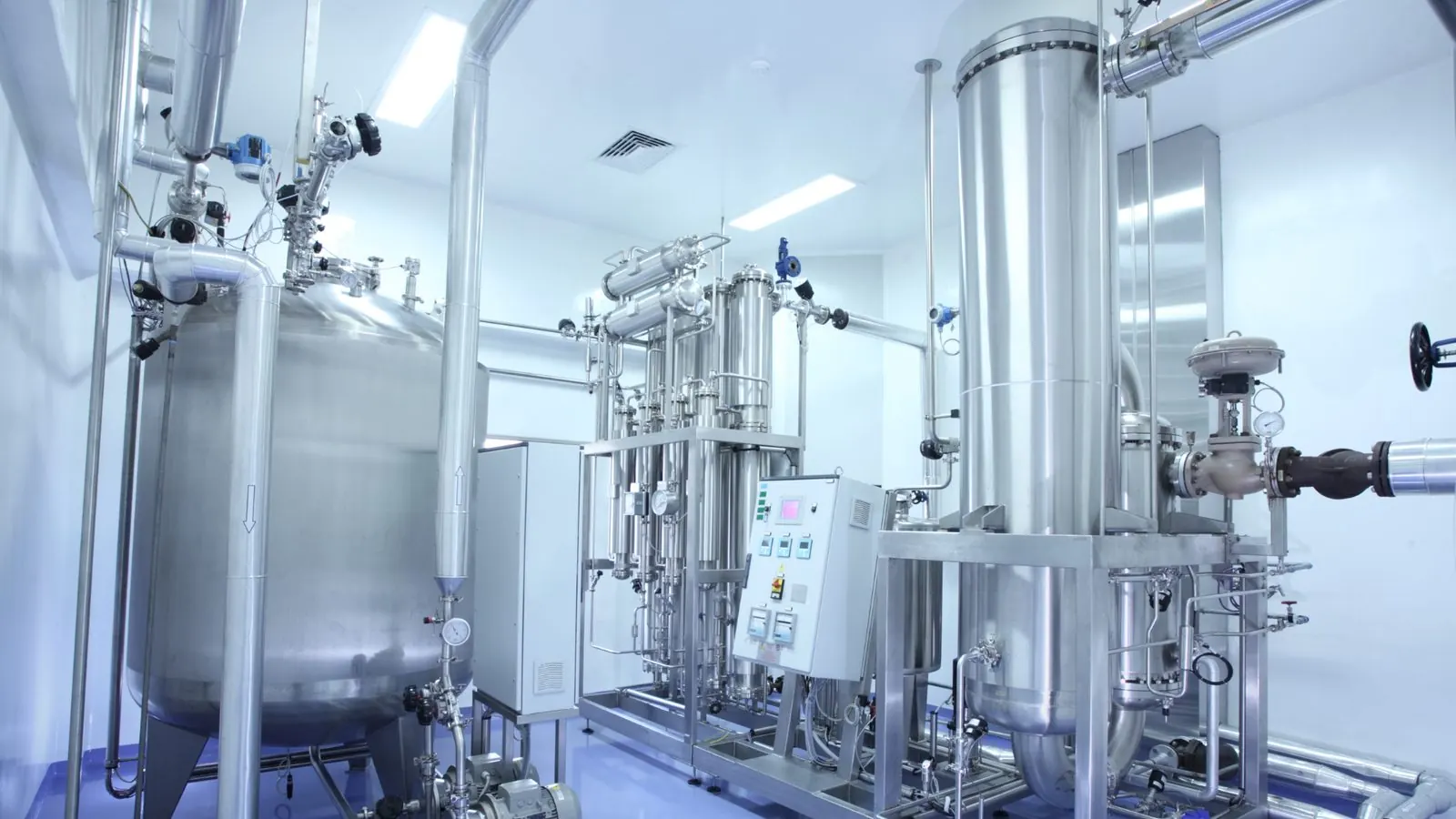
Different industries, the same equipment families: tanks, heat exchangers, piping and pressure equipment, inspected by many parties over the years.
Your inspection bodies produce reports every year. What remains is turning them into an asset-base condition.
Every provider has its own template. The same equipment ends up described in three ways depending on who inspected it.
Requalifications, periodic checks, regulatory visits: a missed one is often discovered on audit day.
When the auditor asks for an equipment history, the files have to be opened one by one.
Your industry
Not on the list?
The foundation applies as soon as a site operates static equipment inspected periodically. Chemicals, cosmetics, water treatment, paper, energy: we start from your reports to confirm feasibility before any commitment.
Frequently asked questions
What manufacturers ask us.
My industry is not listed, can you still help?
Yes. The three industries shown are those where we have the most experience. The foundation is the same as soon as a site operates static equipment inspected periodically: chemicals, cosmetics, water treatment, paper or energy. We start from your actual reports to confirm feasibility before any commitment.
Do I need a different software for each industry?
No. Integrity Loop is the same software in all three cases. What changes is the equipment families tracked, the applicable standards and the regulatory due dates to watch.
What do you need to get started?
A sample of your inspection reports, in their original format. That is enough to rebuild a first asset-base condition and to measure what automatic reading actually recovers from your documents.
Does the data leave the company?
No. Processing runs on your own servers or on your private network. No report is sent to a public cloud.
